

Static electricity is a common yet often overlooked phenomenon that can pose various challenges, especially in specific work environments. As a leading supplier of flame resistant rain jackets, we understand the importance of addressing how these jackets handle static electricity.
The Basics of Static Electricity
Static electricity is generated when two materials come into contact and then separate, causing an imbalance of electric charges. In the context of workwear, this can occur when the jacket rubs against other fabrics, such as undergarments or equipment. The build - up of static electricity can lead to several problems. For instance, in a workplace where there are flammable substances, a static discharge can potentially ignite these materials, leading to dangerous situations.
Flame Resistant Rain Jackets and Static Electricity
Flame resistant rain jackets are designed to provide protection against both flames and water. However, the materials used in these jackets can also interact with static electricity in different ways.
Material Selection
The choice of materials plays a crucial role in how a flame resistant rain jacket handles static electricity. Most flame resistant fabrics are made from synthetic fibers or blends that have inherent flame - resistant properties. Some of these materials, such as aramid fibers, are known for their low propensity to generate static electricity. Aramid fibers have a smooth surface and a molecular structure that reduces the friction that typically causes static build - up.
On the other hand, some other synthetic materials may be more prone to static generation. For example, polyester can generate static electricity when rubbed against other materials. To counter this, manufacturers often incorporate anti - static additives into the fabric during the production process. These additives work by increasing the conductivity of the fabric, allowing the static charges to dissipate more easily.
Construction and Design
The construction of the jacket also affects its static - handling capabilities. Seams and closures can be potential areas where static electricity can build up. A well - designed jacket will have smooth seams and closures that minimize friction. For example, using flat - lock seams instead of traditional seams can reduce the rubbing between different parts of the jacket, thus reducing the likelihood of static generation.
Moreover, the overall fit of the jacket is important. A jacket that is too tight can increase the friction between the fabric and the wearer's body or other clothing layers, leading to more static build - up. A properly fitted jacket allows for a certain amount of movement without excessive rubbing.
Testing and Standards
To ensure that our flame resistant rain jackets effectively handle static electricity, we subject them to rigorous testing. There are several industry standards that govern the static - dissipating properties of workwear.
One such standard is the ASTM D257, which measures the surface resistivity of materials. A lower surface resistivity indicates better static - dissipating properties. Our jackets are tested to meet or exceed the requirements of this standard. By adhering to these standards, we can guarantee that our jackets provide a high level of protection against static - related hazards.

Benefits of Static - Resistant Flame Resistant Rain Jackets
Safety
The most significant benefit of a static - resistant flame resistant rain jacket is safety. In industries where there is a risk of fire or explosion due to static discharge, such as the oil and gas industry or chemical manufacturing, a jacket that can effectively dissipate static electricity can prevent potentially catastrophic events.
Comfort
Static electricity can cause discomfort to the wearer. The clinging of the jacket to the body due to static charges can be irritating and restrict movement. A static - resistant jacket eliminates this problem, allowing the wearer to move freely and work more comfortably.
Durability
Static - resistant treatments can also contribute to the durability of the jacket. By reducing the build - up of static charges, the fabric is less likely to attract dust and dirt, which can cause premature wear and tear.
Our Product: Water Repellent Repaired FR Rain Jacket
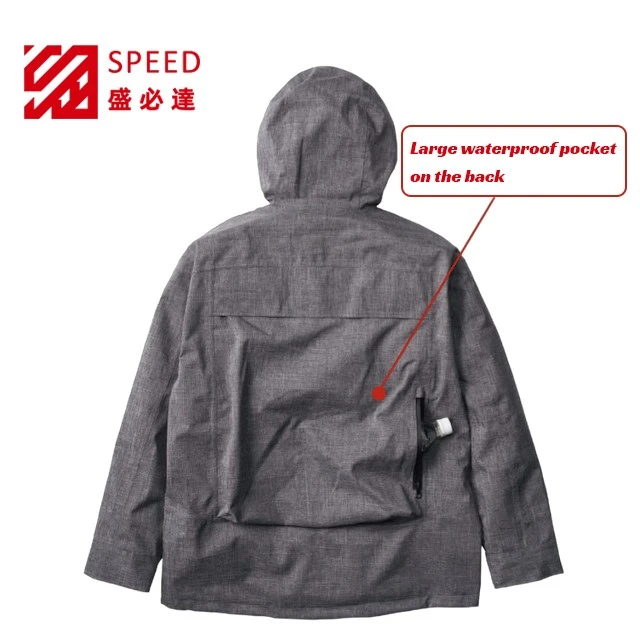
We are proud to offer our Water Repellent Repaired FR Rain Jacket. This jacket is not only flame resistant and water - repellent but also has excellent static - dissipating properties.
The jacket is made from high - quality aramid fibers that have been treated with anti - static additives. The construction of the jacket features flat - lock seams and well - designed closures to minimize friction and static build - up. It has been tested to meet the strictest industry standards for static dissipation, ensuring that it provides reliable protection in various work environments.
How to Maintain Static - Handling Properties
To maintain the static - handling properties of our flame resistant rain jackets, proper care is essential. Here are some tips:
- Washing: Use a mild detergent when washing the jacket. Avoid using fabric softeners, as they can coat the fabric and reduce its conductivity, thus impairing its static - dissipating ability.
- Drying: Air - drying is the best option. If using a dryer, set it to a low heat setting to prevent damage to the anti - static treatment.
- Storage: Store the jacket in a cool, dry place. Avoid storing it in areas with high humidity, as moisture can affect the fabric's conductivity.
Conclusion
As a supplier of flame resistant rain jackets, we are committed to providing products that offer the highest level of protection. Handling static electricity is an important aspect of our jackets' performance. Our Water Repellent Repaired FR Rain Jacket is designed to effectively dissipate static charges, ensuring safety, comfort, and durability.
If you are interested in purchasing our flame resistant rain jackets for your work needs, we invite you to contact us for a detailed discussion. We can provide you with more information about our products, pricing, and customization options. Let us help you find the perfect solution for your static - handling and protective clothing requirements.
References
- ASTM D257 - Standard Test Methods for DC Resistance or Conductance of Insulating Materials.
- Textile Industry Reports on Static - Resistant Fabrics.