

Rain Coat
Your Professional Rain Coat Supplier
Shengbida Technology Co., Ltd. is a direct export group enterprise specializing in the production of storm suit, ski suit, outdoor suit, raincoat, handbag, household storage supplies and other series of products. Strong technical force, with all kinds of advanced imported equipment, enterprise staff solidarity. Many outdoor activities (camping, mountaineering, hiking) require people to spend time outdoors. If it rains, a raincoat can protect your body from the rain and keep you warm at the same time.


Why Choose Us
Certified Manufacturing Excellence
Our factory operates under internationally recognized quality and compliance systems, ensuring reliable production standards for global markets.
Integrated Supply Chain
Our vertically coordinated supply chain ensures stable material sourcing, predictable quality, and efficient production management.
Flexible OEM/ODM Capability
We provide customized manufacturing solutions tailored to your design, branding, technical specifications, and market positioning.
Global Export Experience
With extensive experience serving international brands and distributors, we understand global compliance standards, logistics requirements, and market expectations.
Must-Have Features Rain Coat
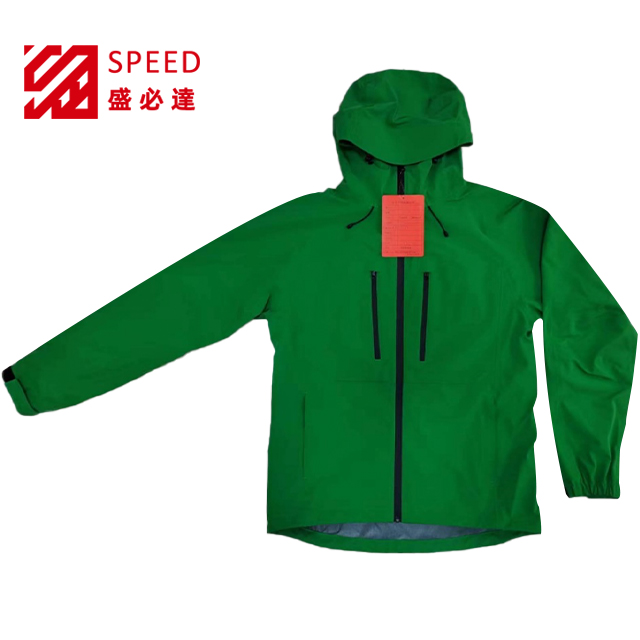
Polyester Outershells on Rain Jackets
Polyester is the gold standard for water-resistant outershell fabric, and it’s used on all the best rainwear. For one thing, it’s one of the most naturally water-resistant materials around—most moisture will roll right off its thick fiber weave.
Synthetic Insulation for Quick-Drying Rain Gear
When it’s rainy or snowy, synthetic insulation is the way to go for your outerwear. You’ve probably heard a lot about the power of down insulation, but in wet weather, synthetic insulation is made of fibers that absorb less water and dry faster.
Rain Jackets with HiVis Reflective Tape and Piping
A rainy day doesn’t just make it harder to work—it makes it harder to stay visible in dangerous conditions.
Rainwear with Storm Flaps to Keep You Dry
If the rain is heavy enough, it can pound through the nooks and crannies in your jacket. That’s why lots of our jackets come with storm flaps—material that fasten over the zipper or pockets on your jacket and protect you from rain.
Taffeta Inner Lining for Comfortable Rain Gear
Taffeta, a light fabric woven from polyester fibers, is the super-soft MVP of rainwear linings.
Shape Of Rain Coat
Ponchos
Ponchos have a unique design. They fit right over your head and have no arms. They can be large enough to cover your entire body up to your toes or be fit up to your knees. They are ideal for school-going children as they are easy to put on and provide a wider circumference that can cover a school bag and water bottle. They also have a hood to protect the head from the rain.
Trench Coats
A trench coat has a wide collar and buttons in the front accompanied by a belt at the waist. Although made from cotton, the material is chemically treated to repel water. There is no hood to protect the head, but the coat usually covers you up to your knees or ankles. Trench coats are more suited for formal occasions like going to the office, attending a marriage, a funeral, etc.
Rain Jackets
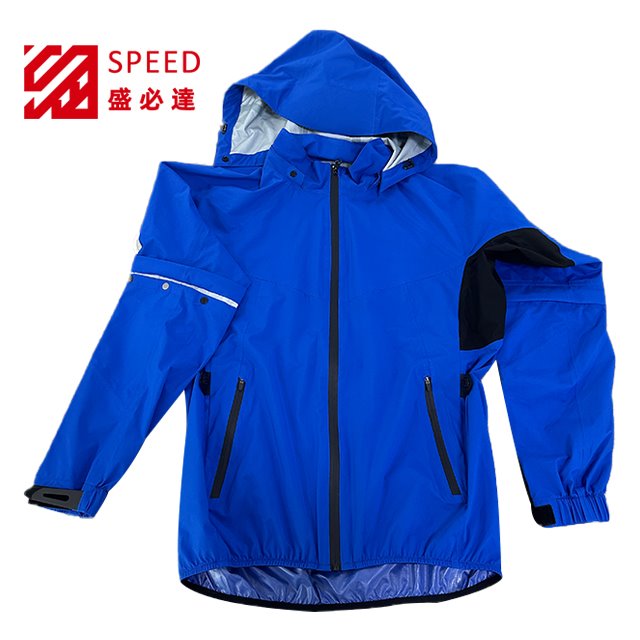
A rain jacket is a shorter jacket that protects the upper body from rain. Rain jackets can be bought in various designs and styles. They can have a zipper, button, or hooks on the front. You can also choose between a hood and a collar.
Specifications
|
Product Type |
Over all |
|
Material |
Plastic |
|
Fabric Type |
Plastic |
|
Color |
All |
|
Supply Ability |
1000 Per Week |
|
Delivery Time |
8-10 Days |
|
Sample Available |
Yes |
|
Sample Policy |
Contact us for information regarding our sample policy |
|
Packaging Details |
Single packing available |
Material of Rain Coat
Polyester
Polyester is a synthetic material that is water resistant, lightweight, and strong. Polyester raincoats can be made to be breathable and are frequently cheap.


Nylon
Another synthetic fabric used to make raincoats is nylon. It is an excellent choice for rainwear since it's light in weight, strong, and water-resistant.
Gore-Tex
Famous for upscale raincoats, Gore-Tex is a high-performance waterproof and breathable fabric. It is manufactured so that its barrier lets moisture out while keeping water out simultaneously.


PVC
Polyvinyl chloride, also called PVC, is a synthetic plastic that can be used to make a fabric that is resistant to water. PVC raincoats are cheap but may not be as breathable as other raincoat materials.
Polyurethane
Another synthetic fabric used to create raincoats is polyurethane. It is a breathable, water-resistant fabric that is frequently combined with other materials to form a waterproofing layer.


Rubberized Cotton
Raincoats have been created from rubberised cotton for over a century. It is created by applying a layer of rubber to cotton cloth, making it waterproof. It can, however, be heavier and less permeable than other materials.
Manufacturing Process of Rain Coat


Design and Pattern Making: The first step is to create a raincoat design. Designers conceptualise the style, features, and overall look of the raincoat. Once the design is finalised, patterns are created, which serve as templates for cutting the fabric.
Material Selection: Raincoats are usually made from waterproof or water-resistant fabrics such as nylon, polyester, or a combination of these materials. The fabric choice depends on factors such as durability, breathability, and the desired level of water resistance.
Cutting: The fabric is laid out in multiple layers, and the patterns are placed on top. Using cutting machines or manually with scissors, the fabric is trimmed according to the pattern's shape and size.
Sewing: The cut fabric pieces are stitched together using industrial sewing machines. Skilled workers sew the front and back panels, sleeves, hoods, and other components, following design specifications. Additional features like zippers, buttons, pockets, and drawstrings are added during sewing.
Sealing and Seam Taping: Seams are often sealed or taped to ensure the raincoat is fully waterproof. Seam sealing involves applying specialised tape over the stitched seams to prevent water from seeping through the needle holes.
Adding Fasteners and Accessories: Once the main components are assembled, fasteners such as buttons, snaps, zippers, or Velcro are attached to the raincoat. These allow for easy opening and closing of the raincoat and ensure a secure fit.
Quality Control: Before raincoats are packaged and shipped, they undergo a thorough quality control process. Inspectors check for defects, such as stitching errors, loose threads, or imperfections in the fabric.
Packaging and Distribution: Finally, the raincoats are folded, packed, and prepared for distribution. They are packaged in plastic bags or boxes, ready to be shipped to retail stores or directly to customers.
FAQ
We are one of the most professional rain coat manufacturers and suppliers in China, specialized in providing high quality customized service. Please feel free to buy cheap rain coat for sale here and get free sample from our factory. For price consultation, contact us.